White gold diamond earrings are a classic and timeless accessory that can add a touch of elegance to any outfit. Whether you are looking for a simple pair of studs for everyday wear or a statement piece for a special occasion, there are a few key factors to consider when choosing the perfect white gold diamond earrings.
Quality of the Diamonds
When it comes to choosing white gold diamond earrings, the quality of the diamonds is one of the most important considerations. Here are some factors to keep in mind:
- Carat weight: Consider the size of the diamonds based on your personal style and budget.
- Clarity: Look for diamonds with minimal inclusions for a more brilliant and sparkling appearance.
- Color: White diamonds are graded on a scale from D (colorless) to Z (light yellow or brown). Choose a color that complements the white gold setting.
- Cut: The cut of a diamond affects its sparkle and overall beauty. Opt for well-cut diamonds for maximum brilliance.
Style of the Earrings
White gold diamond earrings come in a variety of styles, from classic studs to elaborate drop earrings. Consider the following factors when choosing the style of your earrings:
- Studs: Simple and versatile, studs are perfect for everyday wear and can also be dressed up for special occasions.
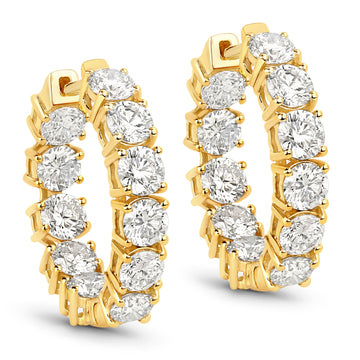
- Hoops: Hoop earrings offer a modern twist on the classic diamond earring and can add a touch of glamour to any outfit.
- Drops: Drop earrings are elegant and sophisticated, making them ideal for formal events or evening wear.
- Huggies: Huggie earrings are small hoops that "hug" the earlobe, providing a delicate and understated look.
Setting and Metal Color
When choosing white gold diamond earrings, consider the setting and metal color that will best suit your style:
- White gold setting: White gold is a popular choice for diamond earrings, as it complements the brilliance of the diamonds and offers a modern and sophisticated look.
- Yellow gold setting: For a warmer and more traditional look, consider white gold diamond earrings with a yellow gold setting.
- Rose gold setting: Rose gold adds a touch of romance and femininity to diamond earrings, making them a stylish choice for a unique and modern look.
- Platinum setting: Platinum is a durable and precious metal that enhances the beauty of diamonds, offering a luxurious and timeless option for white gold diamond earrings.
Occasion and Wearability
Consider the occasion and wearability of white gold diamond earrings when making your selection:
- Everyday wear: For everyday wear, choose a pair of white gold diamond studs or small hoops that are comfortable and versatile.
- Special occasions: For special occasions, opt for a more elaborate style such as drop earrings or large hoops that will make a statement.
- Work-appropriate: If you plan to wear your white gold diamond earrings to work, choose a classic and understated style that is professional and polished.
- Gifting: White gold diamond earrings make a thoughtful and timeless gift for a loved one, whether for a birthday, anniversary, or other special occasion.
Caring for Your White Gold Diamond Earrings
To ensure that your white gold diamond earrings maintain their beauty and sparkle, follow these care tips:
- Regular cleaning: Clean your white gold diamond earrings regularly with a soft brush and mild soapy water to remove dirt and debris.
- Professional cleaning: Have your earrings professionally cleaned and inspected by a jeweler at least once a year to keep them in top condition.
- Storage: Store your white gold diamond earrings in a soft pouch or jewelry box to prevent scratches and tangles.
- Avoid harsh chemicals: Remove your earrings before swimming, showering, or applying perfume, as harsh chemicals can damage the diamonds and metal.
Conclusion
White gold diamond earrings are a timeless and elegant accessory that can elevate any look. By considering the quality of the diamonds, style of the earrings, setting and metal color, occasion and wearability, and proper care tips, you can choose the perfect pair of white gold diamond earrings that will bring joy and sparkle for years to come.